

 |
| At the PHDCCI Spiritual Tourism Conclave 2026 in Shirdi |
While I expected discussions around Nashik Simhasta Kumbh Mela 2027 and spiritual tourism in general, I came away with something much bigger: fresh perspectives on how spiritual travel in India is gradually evolving.
From travellers seeking immersive pilgrimage experiences and thoughtfully curated temple tourism circuits to the rapidly evolving technology, infrastructure and community involvement, the conversations revealed that a yatra today is no longer just about visiting a temple, completing a darshan and returning home.
Increasingly, it is becoming an experience that weaves together faith, culture, heritage, storytelling and self-discovery.
As someone who has spent years exploring temples, pilgrimage towns and spiritual destinations across India, I found many of these conversations deeply relevant—not only to the future of tourism, but also to the changing behaviours and expectations of pilgrims and seekers themselves.
A yatra, after all, is not merely about reaching a sacred destination; it is so much more about the journey… about traversing myriad landscapes, internal and external, alongside discovering new perspectives and deepening one's connection with the self.
Where India's Spiritual Tourism Leaders Converged
The two-day conclave was held at Shirdi, one of India's most visited pilgrimage destinations and home to the revered Samadhi Mandir of Sai Baba. Organized by the PHD Chamber of Commerce and Industry (PHDCCI), the event brought together policymakers, tourism officials, spiritual leaders, hospitality stakeholders, destination managers and travel professionals to discuss the future of spiritual tourism in India.
 |
| Dignitaries at the 3rd Global Spiritual Tourism Conclave 2026, Shirdi. |
Among the notable dignitaries present were Bhuvnesh Kumar, Secretary, Ministry of Tourism, Government of India; Neelesh R. Gatne, Managing Director, Maharashtra Tourism Development Corporation (MTDC); Mangesh Joshi, Director, Directorate of Tourism, Government of Maharashtra; and Goraksha Gadilkar, Chief Executive Officer, Shri Saibaba Sansthan Trust, Shirdi. Their discussions centred on topics ranging from pilgrimage infrastructure and destination development to the upcoming Nashik Simhastha Kumbh Mela 2027 and the evolving needs and wants of the modern day spiritual yatri.
Why This Conclave Matters
A spiritual journey, or yatra, has been woven into India's cultural fabric since times immemorial. I still remember listening to stories from my grandparents about pilgrimages undertaken in an era when roads were poor, transport was limited and reaching destinations such as the Char Dham was a challenge in itself. Yet, despite the hardships, it was a dream many carried in their hearts—to undertake the journey at least once in their lifetime.
Such was their faith that if something untoward happened along the way, it was often seen as attaining moksha. For them, the destination was important, but so was the journey. The hardships, the uncertainty, the devotion and the people they met along the way were all part of a deeply transformative experience.
Over the years, infrastructure has improved dramatically. Roads are better, trains are faster, flights connect remote regions and technology has made planning a pilgrimage easier than ever before. Yatras today are far less physically demanding than they once were. Yet, as many conversations at the conclave highlighted, the essence of a pilgrimage remains unchanged. People are still searching for meaning, connection and transformation—only the way they experience that journey is evolving.
This evolution is precisely why spiritual tourism has emerged as one of the most significant segments of India's travel industry. Recognizing its growing importance, governments, tourism boards, temple trusts and private stakeholders are investing heavily in infrastructure, connectivity, destination development and innovative pilgrim services. The objective is no longer limited to facilitating darshan; it is increasingly about creating immersive, seamless, meaningful and enriching experiences for travellers – something that stays with them long after they have left.
 |
| KPMG-PHDCCI report, From Darshan to Destination: The Transformation of Spiritual Tourism in India |
The scale of this opportunity was underscored by the KPMG-PHDCCI report, From Darshan to Destination: The Transformation of Spiritual Tourism in India, unveiled during the conclave. According to the report, nearly 60% of domestic tourist visits in India are linked to religious travel. The spiritual tourism market, currently valued at over USD 200 billion, is projected to more than double by 2035.
These numbers explain why spiritual tourism is no longer being viewed solely through the lens of faith. It is increasingly being recognized as a powerful driver of economic growth, employment generation, cultural preservation and regional development.
From Darshan to Destination: The Biggest Theme of the Conclave
If there was one phrase that captured the essence of the conclave for me, it was "From Darshan to Destination." Time and again, speakers emphasized that spiritual travel in India is undergoing a quiet but significant transformation—one that extends far beyond the temple premises. I found myself nodding in agreement when Mangesh Joshi, Director of Tourism, Government of Maharashtra, remarked, "We want to merge the sacred with the sophisticated."
As someone who has spent years travelling to temples and pilgrimage destinations across India, I could immediately relate to this shift. Some of my most memorable experiences have happened outside the temple itself—listening to Braj stories from a devotee that no guidebook could ever capture, pausing to observe the timeless rhythms of life along the ghats of Varanasi, or walking through the lanes of Shirdi and discovering old houses that still carry stories from Sai Baba's life.
The darshan may be the reason we undertake a journey, but it is often the stories, people and experiences surrounding it that stay with us long after we return home.
These experiences are invaluable. In many ways, they occupy as much space in my heart as the darshan itself, if not more. Through local culture, heritage, passionate storytelling and human connection, they have enriched my yatra journeys and transformed a simple temple visit into a far deeper and more meaningful experience.
Perhaps that is what "From Darshan to Destination" truly means—not moving away from devotion, but deepening it further through culture, heritage, storytelling and human connection.
Maharashtra's Huge Potential in Spiritual Tourism
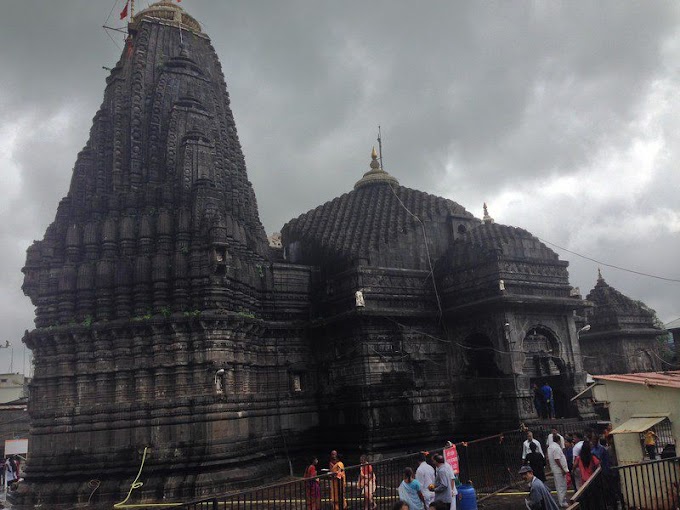
With five Jyotirlingas, three-and-a-half Shakti Peethas, UNESCO World Heritage Sites such as Ajanta and Ellora, ancient pilgrimage centres like Pandharpur, Shirdi and Trimbakeshwar, and countless temples steeped in history and tradition, Maharashtra possesses a spiritual landscape that few other states can rival.
During the conclave, it became evident that Maharashtra is increasingly being viewed not as a collection of individual pilgrimage sites, but as an interconnected spiritual tourism ecosystem. With the Nashik Simhastha Kumbh Mela 2027 on the horizon and continued investments in infrastructure, connectivity and destination development, the state is uniquely positioned to emerge as one of India's leading spiritual tourism hubs.
With the Simhastha Kumbh Mela returning to Nashik in 2027, the state has a unique opportunity to showcase how large-scale pilgrimage, infrastructure and destination management can come together to create meaningful visitor experiences.
Having travelled across many of these destinations, I believe Maharashtra's biggest strength lies in making spiritual travel accessible to the common person. Improved highways, better connectivity and affordable accommodation options have made pilgrimages far more convenient than they once were.
The Samruddhi Mahamarg, for instance, has significantly reduced travel time to destinations such as Shirdi and Nashik, while MTDC properties at strategic locations offer reasonably priced stays for travellers. During the conclave, Neelesh R. Gatne, Managing Director of MTDC, also spoke about upgrading MTDC properties to new standards through the Public-Private Partnership (PPP) model—a welcome step that could further enhance the quality of accommodation and visitor experience across the state.
What also sets Maharashtra apart is its ability to combine spirituality with heritage and leisure. A pilgrimage can seamlessly extend into exploring Ajanta and Ellora, experiencing local culture or even unwinding along the Konkan coast.
It is this blend of accessibility, spiritual heritage and diverse experiences that positions Maharashtra as one of India's most promising spiritual tourism destinations.
The Future of Spiritual Travel in India
As I left Shirdi after a day full of insightful discussions and conversations, I found my thoughts drifting back once again to stories my grandparents used to tell me about their pilgrimages. The roads may be smoother today, the journeys faster and the planning easier, but the deeper purpose of a yatra remains unchanged.
People still travel in search of faith, meaning, peace and transformation. What is changing is the way they experience that journey. Today's travellers want to engage more deeply with the destinations they visit—through local culture, heritage, stories, traditions and meaningful, authentic interactions that bring a place to life.
The conversations at the conclave made it clear that the next phase of growth in spiritual tourism will not be driven solely by temple darshans, but by immersive experiences, cultural storytelling, sustainable development and community participation. For travellers, this means richer and more fulfilling journeys. For destinations, it creates opportunities for preservation, employment and inclusive growth.
For creators like me, it is also an exciting time. Beyond every yatra lie countless stories waiting to be told, traditions waiting to be understood and communities waiting to be discovered. And perhaps that is where the future of spiritual tourism truly lies—not merely in increasing footfalls, but in helping travellers build deeper connections with the places they visit.
The future of spiritual tourism may look very different from its past. Yet, if there was one lesson I took away from the conclave, it was this: while destinations evolve and infrastructure improves, the soul of a pilgrimage remains timeless.
🔗 Watch the reel: https://www.instagram.com/reel/DTks6kuiNoc/
And if you'd like to stay updated about future spiritual journeys, temple trails and potential group trips, you're welcome to join my WhatsApp community:
🔗 Join the WhatsApp Group: https://chat.whatsapp.com/HxqomSIEnq79vlDYbn8ONp
I look forward to travelling, learning and discovering more sacred stories together.



0 Comments
Delighted you stopped by... Your suggestions, feedback are really appreciated. Thanks a lot :) Hope you visit again!
If you have asked a question, please give me at least 2 days to reply back. Thank you :)